Mississippi on My Mind
How Mississippi is (and isn't) Preparing Me for Trump 2.0

As a Black and South Asian woman, a mother of two daughters, and a Democrat living in Mississippi, Donald Trump’s re-election feels deeply personal. It’s a stark reminder of the political and social realities of my state—realities shaped by a history of racial oppression and an ongoing fight for justice and democracy. My work as a pollster offers unique insights into public opinion, but the 2024 election results have left many, including me, with a sense of foreboding. For marginalized communities, this isn’t just politics; it’s survival.

Mississippi, often seen as a symbol of the Deep South, mirrors the nation’s broader political divisions. It’s a place where progress and pain coexist, where the legacies of slavery and segregation still loom, and where the fight for equality is far from over. While it may not be the epicenter of Trump’s agenda, Mississippi’s experiences reveal vital lessons for the rest of the country.
The Human Toll of Deportation
Back in 2019, Mississippi faced one of the most significant ICE raids in U.S. history, targeting chicken processing plants and arresting nearly 700 undocumented workers. The raid took place on the first day of school, leaving thousands of children wondering why their parents weren’t home when they arrived from school. Families were torn apart, communities were left traumatized, and the human cost of Trump’s hardline immigration policies became painfully clear.
Now, Trump’s promise of the "largest deportation operation in U.S. history" looms large, with plans that could involve local police, the National Guard, and even the military. An estimated 4.4 million U.S.-born children have at least one undocumented parent, meaning mass deportations could lead to widespread family separations. Disturbingly, the administration may target "sensitive" areas like schools, shattering long-standing norms meant to protect vulnerable populations. The implications are dire—broken homes, devastated communities, and a generation of children scarred by government-sanctioned cruelty.
Healthcare and Education on the Brink
Mississippi’s healthcare system is already on life support. The state consistently ranks among the worst for uninsured rates, yet its leadership continues to reject Medicaid expansion despite 69% public support.1 This decision leaves over 300,000 Mississippians without coverage, disproportionately harming Black and Brown communities. Governor Tate Reeves frames his resistance as a call for "flexibility," a euphemism for restricting access to life-saving care.
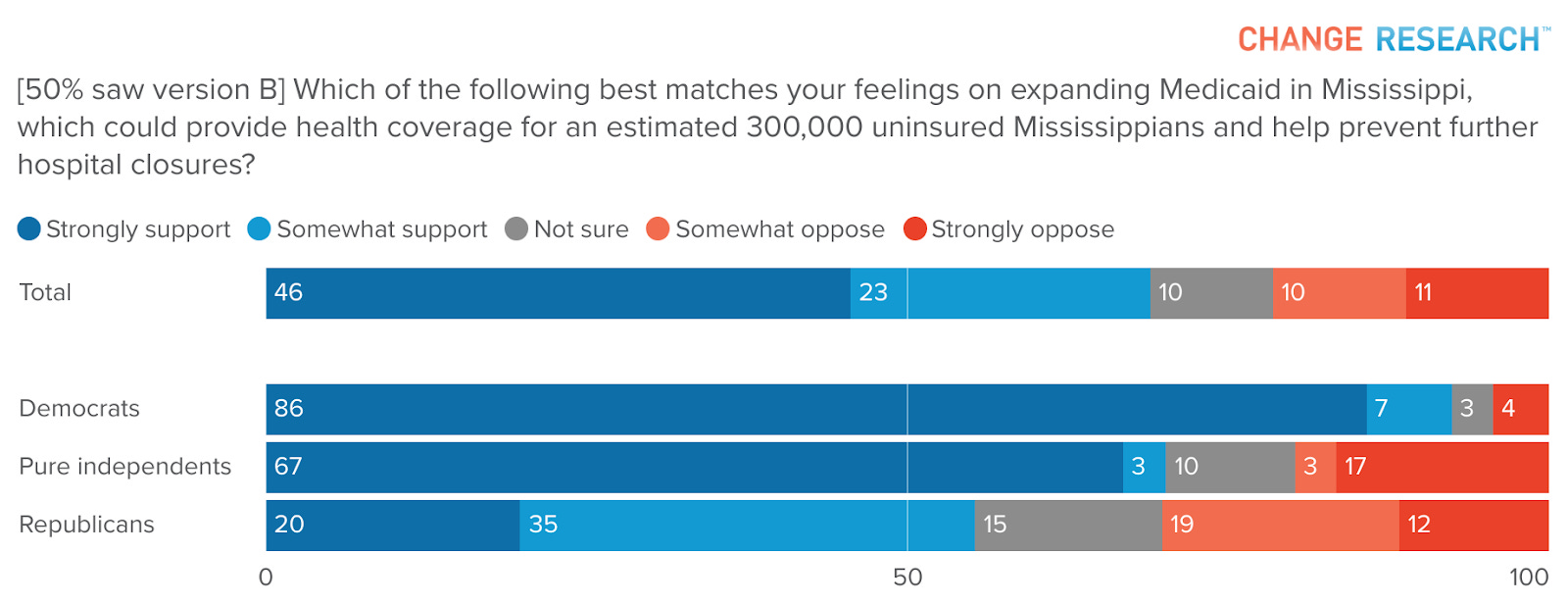
On the education front, the stakes are just as high. Trump’s proposed dismantling of the U.S. Department of Education adds another layer of concern. States like Mississippi, heavily reliant on federal funding, stand to lose crucial resources. With 42% of its budget coming from federal dollars, Mississippi’s refusal to expand Medicaid and potential cuts to education funding would erode essential services, deepening inequality and leaving the most vulnerable even further behind.
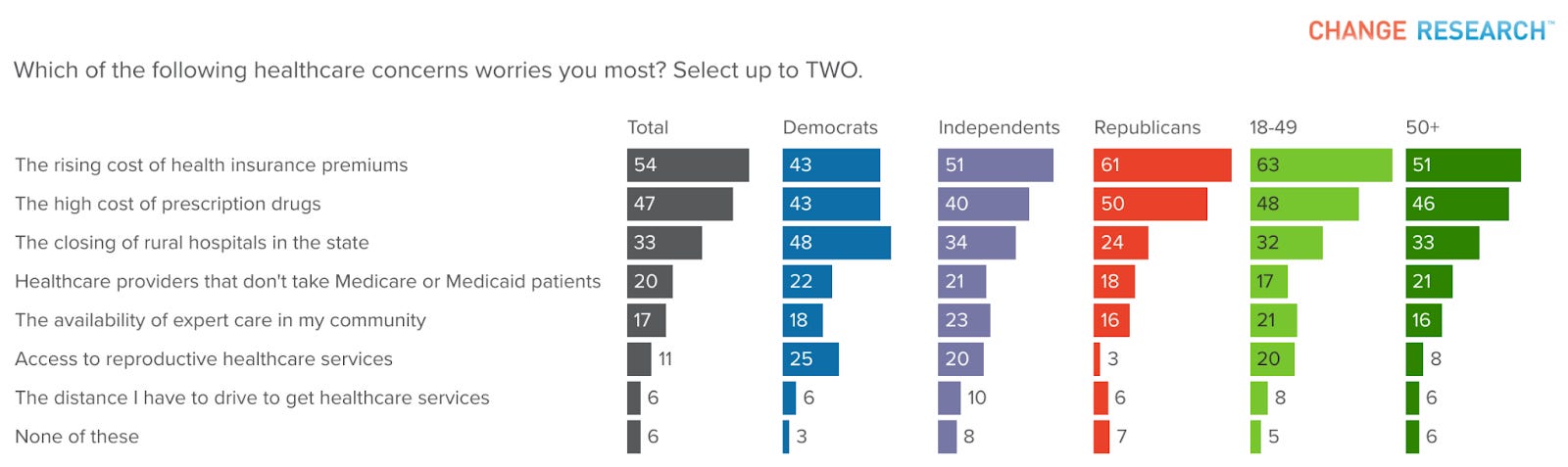
The rising cost of health insurance premiums is already a major concern for Mississippians, with 54% expressing worry. Add to that the closure of rural hospitals, a problem concerning 33% of Mississippians, and the picture becomes even bleaker. Healthcare access, already limited, could collapse entirely under Trump’s policies.
Adding to the alarm, Trump has appointed Robert F. Kennedy Jr. as Health Secretary. Kennedy, a notorious anti-vaccine activist, has repeatedly spread misinformation linking vaccines to autism—a claim thoroughly debunked by science. His appointment signals a dangerous shift in public health policy. It raises serious concerns about the future of vaccine programs and overall healthcare strategy in the U.S.
And Kennedy isn’t the only questionable pick. Trump’s choice of Matt Gaetz as Attorney General is equally alarming. Gaetz, a Florida congressman under investigation by the House Ethics Committee, exemplifies Trump’s pattern of prioritizing loyalty over competence. These appointments suggest a government more focused on consolidating power than governing effectively.
Lessons for the Nation
As a Mississippian, I know that our state is often overlooked, dismissed as a political backwater. But what happens here matters. It matters for our families, our communities, and our country. Mississippi’s story is a microcosm of the nation’s struggle with democracy, equity, and justice. It offers valuable lessons for navigating the challenges of a potential Trump 2.0 presidency:
Embrace the Power of Community: The response to the ICE raids in 2019 showcased the resilience of Mississippi’s communities. Grassroots networks provided support, from legal aid to emotional care. Building these coalitions—across racial, religious, and political lines—will be crucial in resisting harmful federal policies.
Knowledge as Resistance: Empowering communities with accurate information is key. This includes supporting Know Your Rights initiatives, legal aid, and public awareness campaigns to counter fear and misinformation.
Centering the Voices of the Most Vulnerable: Policy discussions must prioritize those most affected. Black residents, immigrants, people of color, and low-income communities often bear the brunt of regressive policies. Amplifying their experiences ensures a more inclusive and just response to the challenges ahead.
Mississippi is a cautionary tale, but it’s also a rallying cry. It highlights the dangers of complacency and the urgent need for collective action. Grassroots activism and civic engagement are more critical than ever. If we want to safeguard democracy and justice, we must act now.
Mississippi’s struggles offer a roadmap for the fight ahead. The question is—will we learn from it?
Polling was conducted online from October 26 - 30, 2023. Using Dynamic Online Sampling to attain a representative sample, Change Research polled 1,107 likely 2023 general election voters in Mississippi. Post-stratification was performed on age, gender, race/ethnicity, education, region, and 2020 presidential vote. You can see a full methodology statement here, which complies with the requirements of AAPOR's Transparency Initiative. Members of the Transparency Initiative disclose all relevant details about our research, with the principle that the public should be able to evaluate and understand research-based findings, in order to instill and restore public confidence in survey results.